HEALTHY: Fix the most common muscle imbalances: Upper body
In 1979, Vladimir Janda from the Czech Republic first published his papers on what he called “Upper Cross Syndrome.”
He explained that because we sit slouched with a forward head and rounded shoulders, certain muscles become tight and others become weak.
His ideas still hold true today.
Below you’ll find:
Which muscles get tight + how to stretch them
Which muscles get weak + how to strengthen them
These exercises help reduce strain on your muscles and the joints of your spine, ribs, and shoulders.
They are especially useful if you spend long hours sitting at a computer.
Poor posture can lead to:
Headaches
Neck and upper back pain
Numbness in the hands and arms
Adjustments to the stiff neck and upper back joints combined with these exercises can help reverse the problem.
TIGHT MUSCLES
Muscles that commonly become tight:
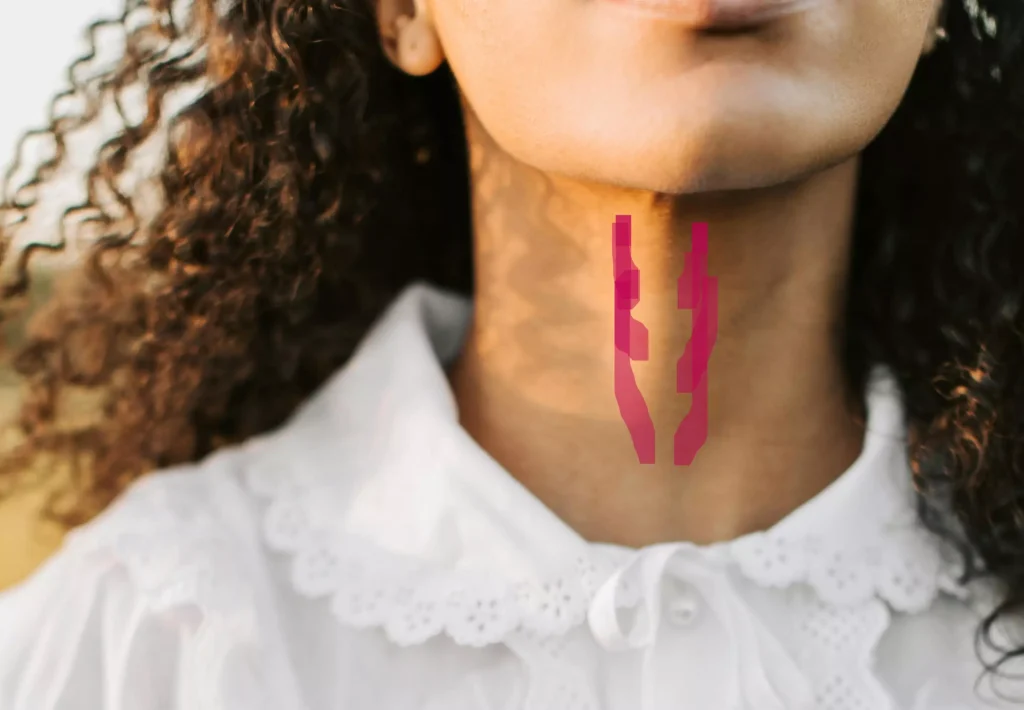
Suboccipitals
Scalenes
Sternocleidomastoid (SCM)
Pectoralis major and minor
Upper trapezius
Levator scapulae
Below you’ll find the stretch for each.
STRETCHING MUSCLES THAT GET TIGHT IN UPPER CROSS SYNDROME
Stretch 10–15 seconds on each side and repeat 3 times.
These can be done daily, even multiple times per day in the early stages.
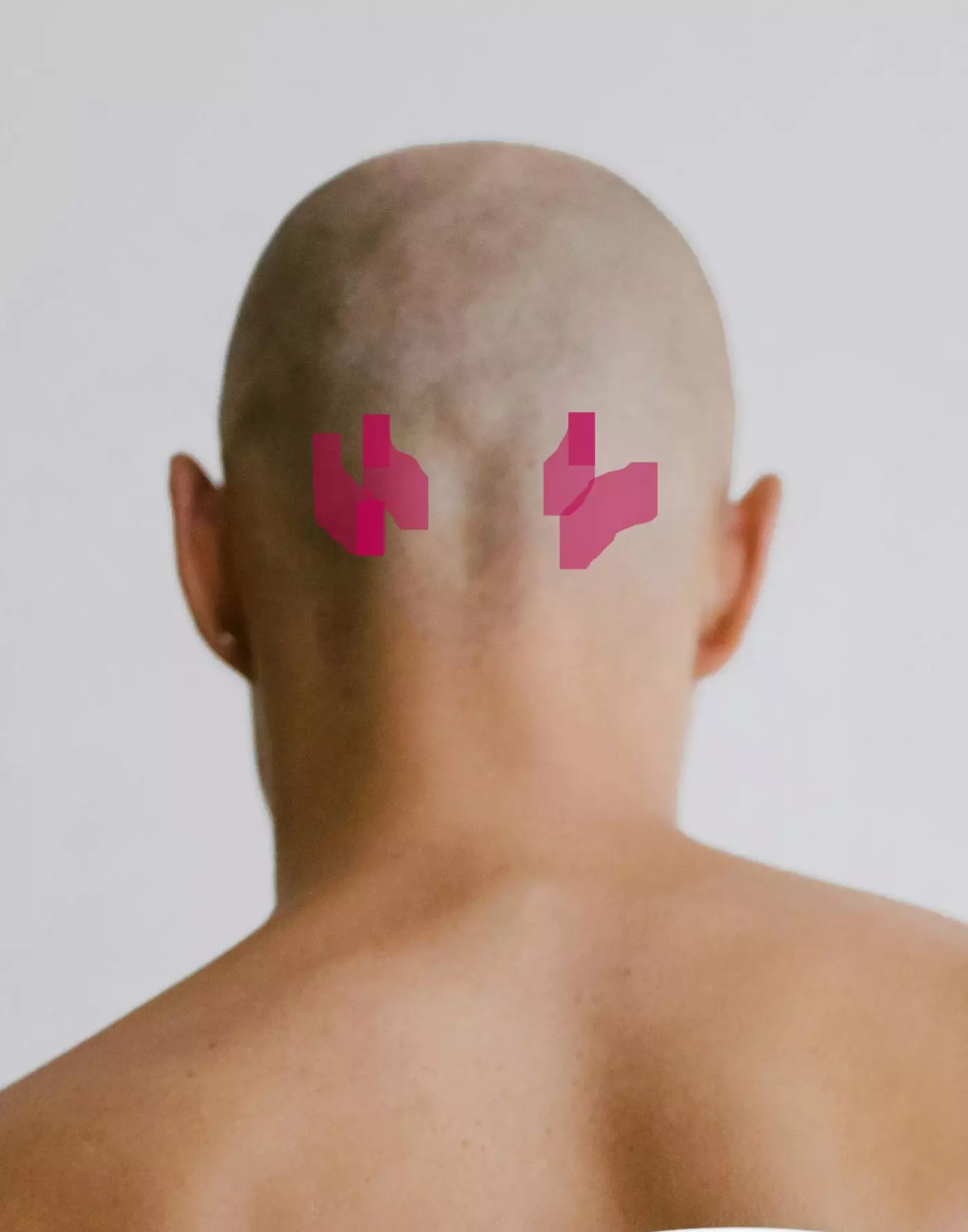
1. Suboccipital Muscles
(Muscles connecting the skull to the first and second vertebrae — often responsible for headaches.)
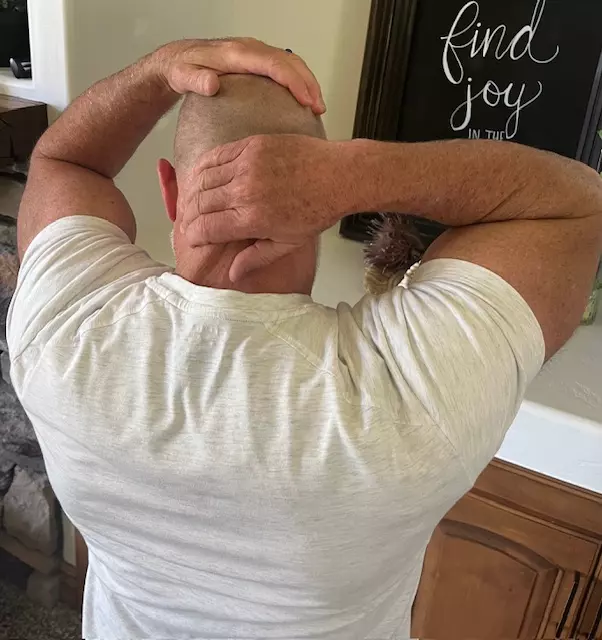
Use your right hand to secure the neck just below the skull and gently pull to the right.
At the same time, pull your head down and to the left, with a slight rotation to the right.
This stretches the right upper neck.
Repeat on the opposite side.
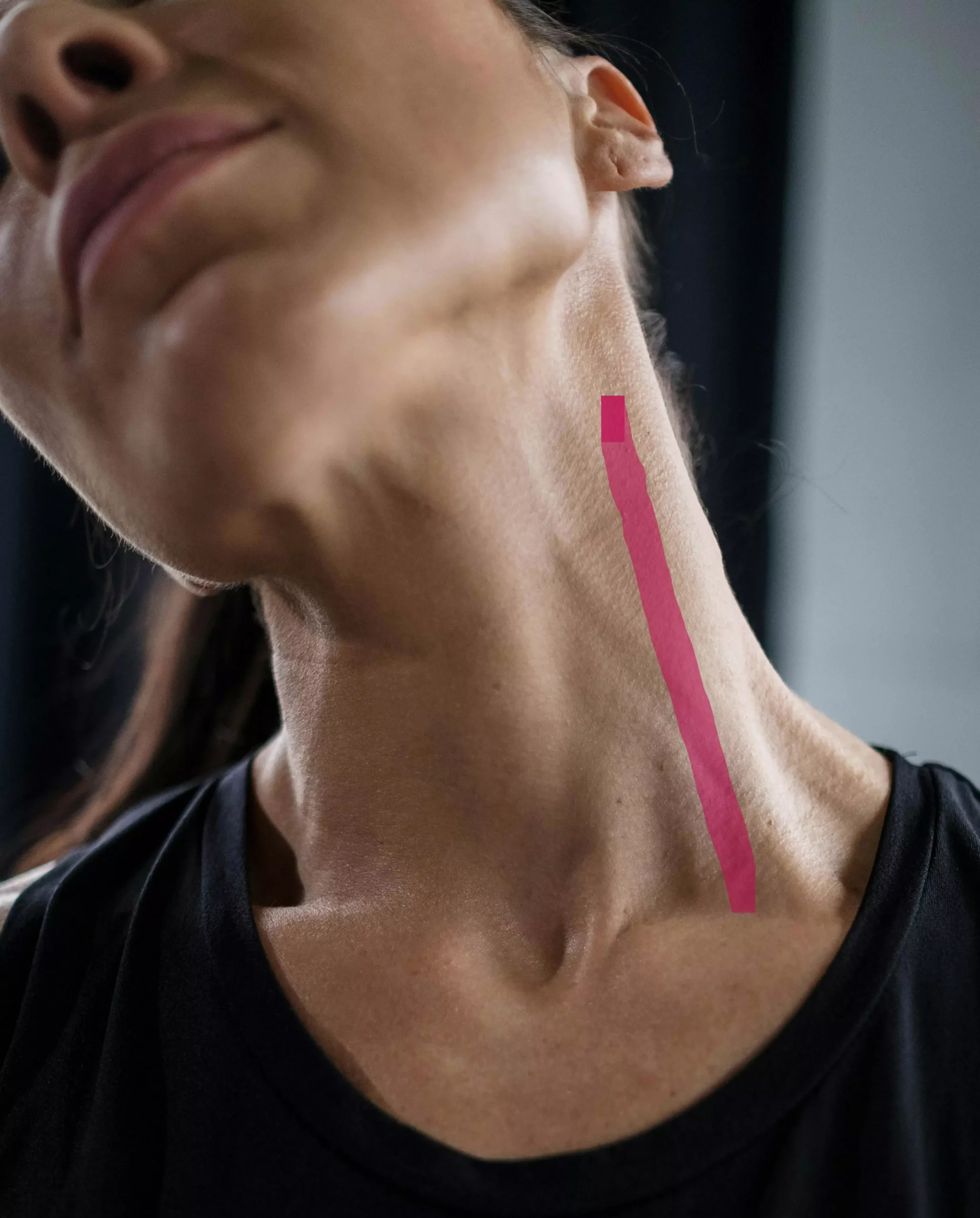
2. Scalene & SCM (Front of the Neck)
(These muscles often pinch nerves going from your neck to your hands, sometimes mistaken for carpal tunnel. They usually numb the pinky and ring finger first.)
Place both hands on your chest/collarbone and gently pull downward.
Lean your head back and to the opposite side, with a slight rotation.
Hold 10–20 seconds and repeat 3 times per side.

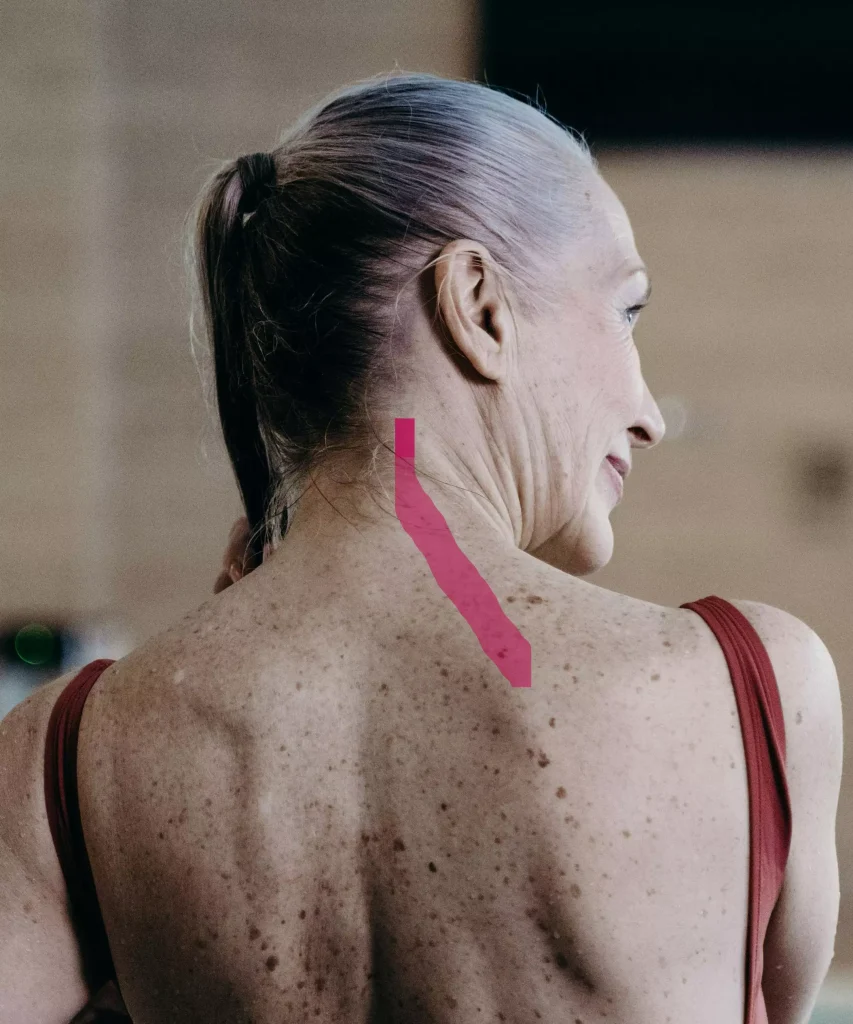
3. Levator Scapulae
(Common “stress muscle” when people shrug their shoulders all day.)
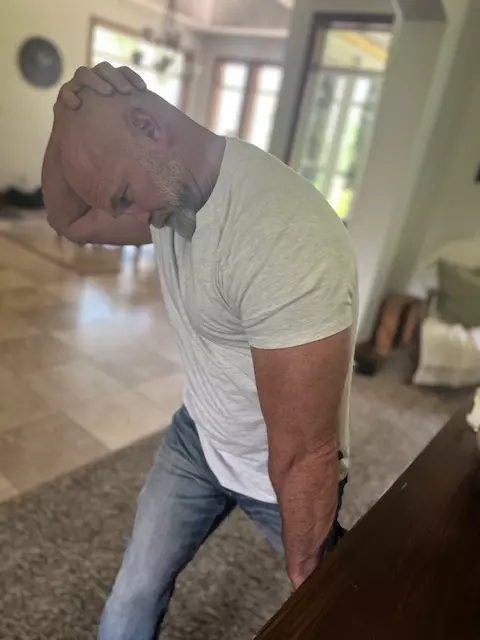
Grip under a heavy table or counter.
Lean away to allow the shoulder to drop.
With your other hand, pull your head down and away toward the opposite side.
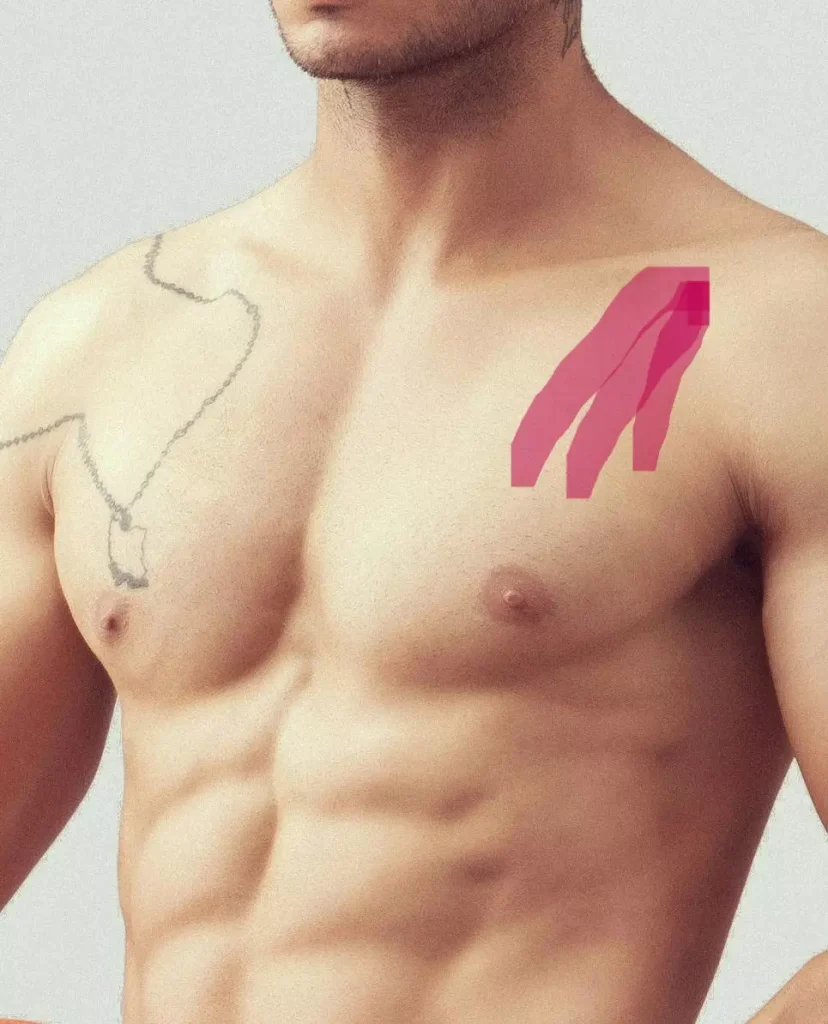
4. Pectoralis Minor & Major
(These can pinch nerves down the arm and contribute to shoulder impingement by rotating the upper arm inward.)
Grip a doorway or corner with your elbow slightly above shoulder height.
Lean forward and gently twist your body away until you feel the stretch in your chest.

WEAK MUSCLES TO STRENGTHEN
Muscles that commonly become weak:
Longus colli (deep neck flexor)
Lower trapezius
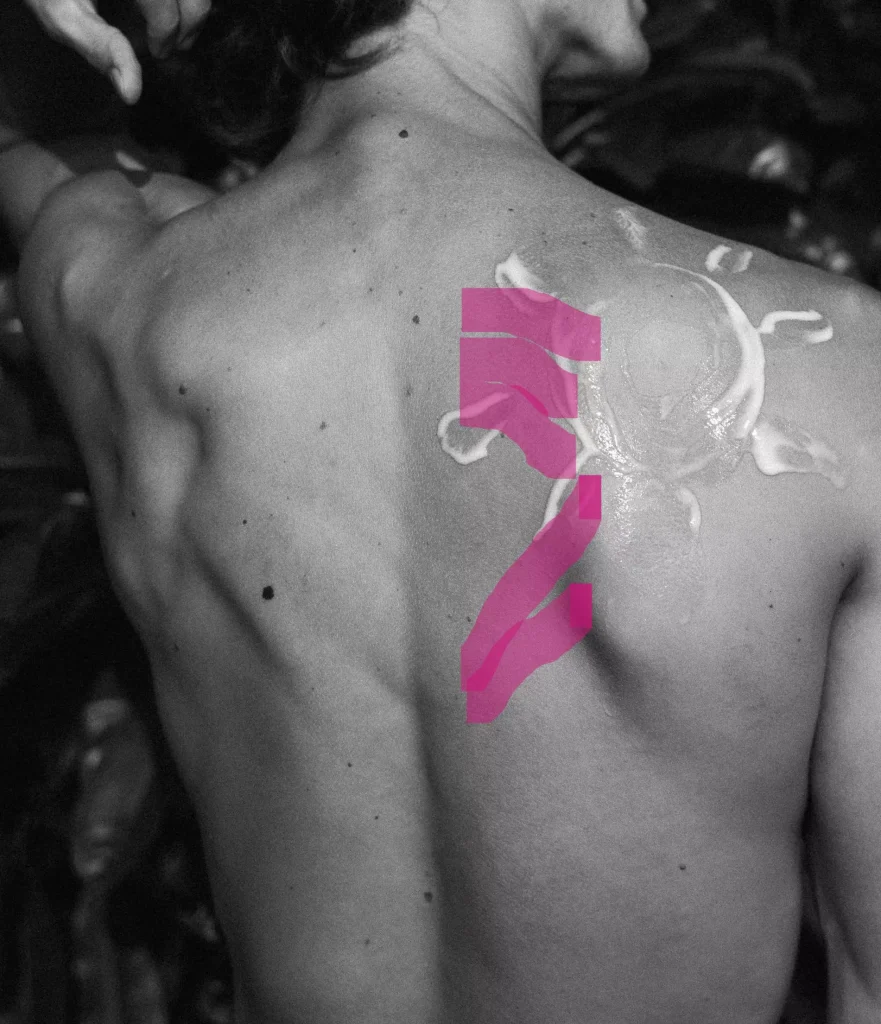
Rhomboids
Serratus anterior
STRENGTHENING WEAK MUSCLES IN UPPER CROSS SYNDROME
Strengthening can be done as 10–15 second holds or 10–15 reps.
Repeat 3–5 times or until fatigued.
Do these every other day, allowing soreness to recover.
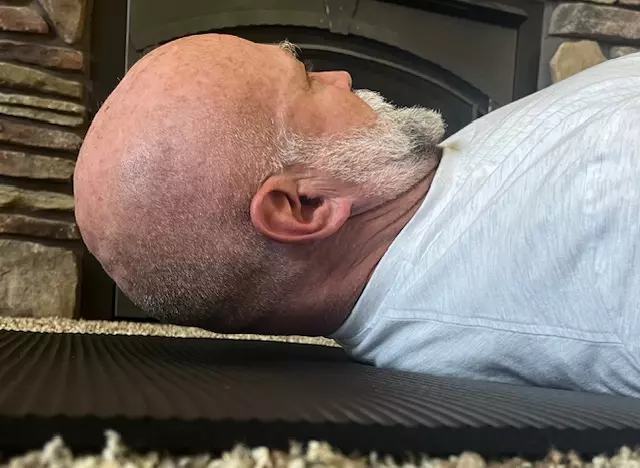
1. Longus Colli (Deep Neck Flexor)
(A “core” muscle of the neck, often weakened after whiplash.)
Lie on your back.
Tuck your chin tightly.
Lift your head one inch off the floor.
Hold without letting your chin jut forward.
When you stop shaking during the hold, you’ve improved.
2. Rhomboids
(Help keep the shoulders from rounding forward.)
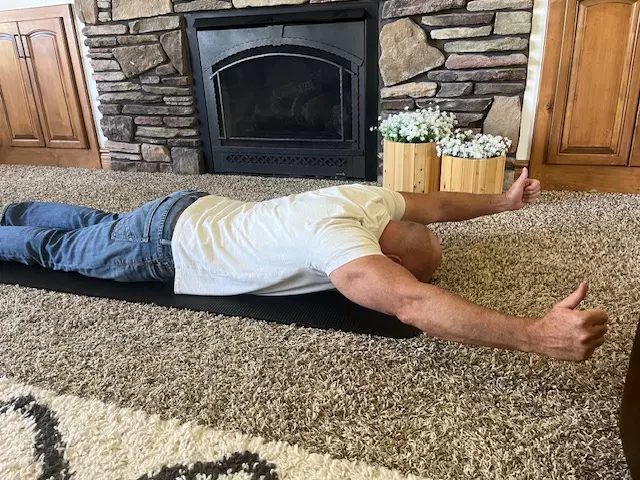
Lie face down.
Arms out to your sides in a “T” position with thumbs up.
Lift your arms a few inches off the floor.
Hold 10 seconds.
Repeat 3–5 times.

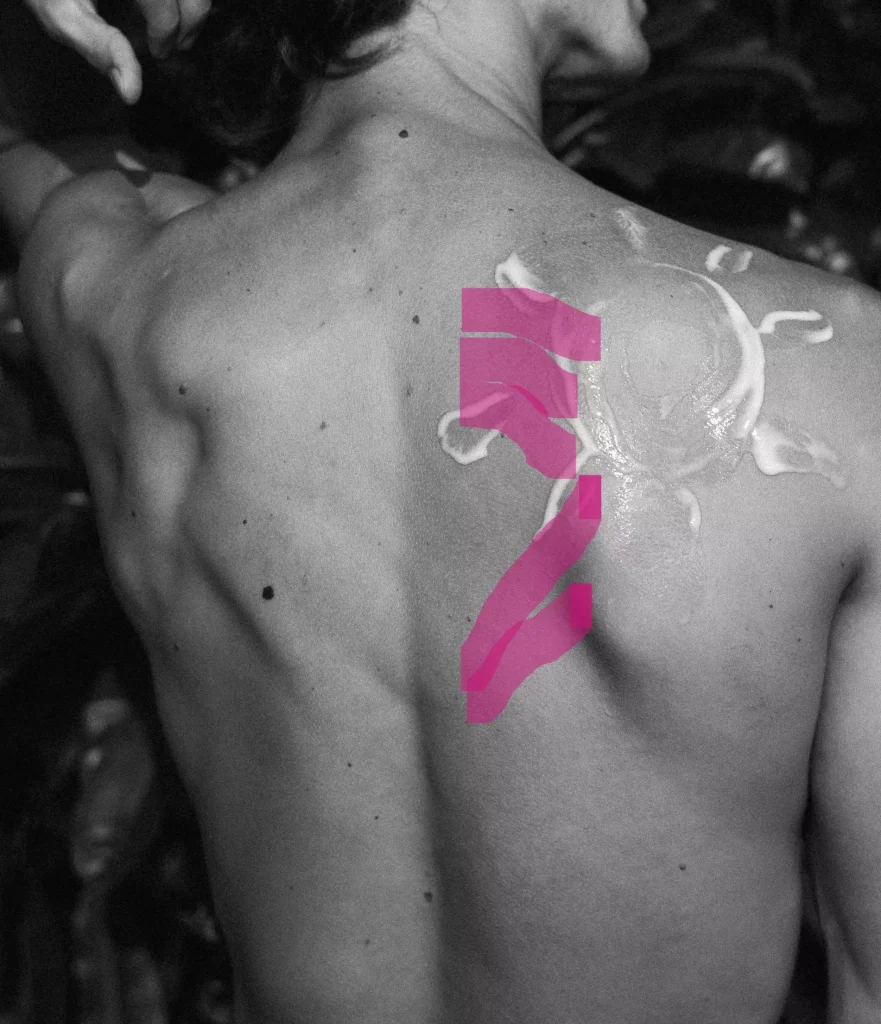
3. Lower Trapezius
Lie on your stomach with your forehead on the floor.
Arms above your head in a “Y” position, thumbs up.
Lift a few inches and hold for 10 seconds.
Repeat 3–5 times.
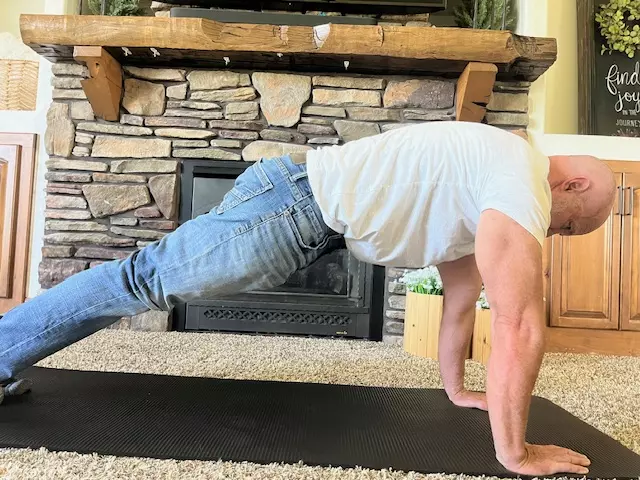
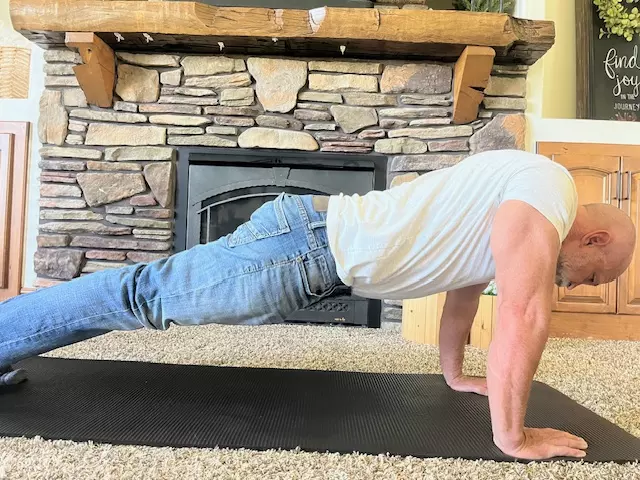
4. Serratus Anterior
(The “superhero muscle”—keeps the shoulder blade anchored to the ribcage.)
Step 1: Keep arms straight, elbows locked. Let your shoulder blades come together.
Step 2: Keeping arms straight, push your upper back upward — like a push-up without bending your elbows.
It’s like “punching” the air without moving your arms.