

HEALTHY: 60% chance you are deficient in Magnesium
Magnesium: Why You’re Probably Deficient & How to Fix It
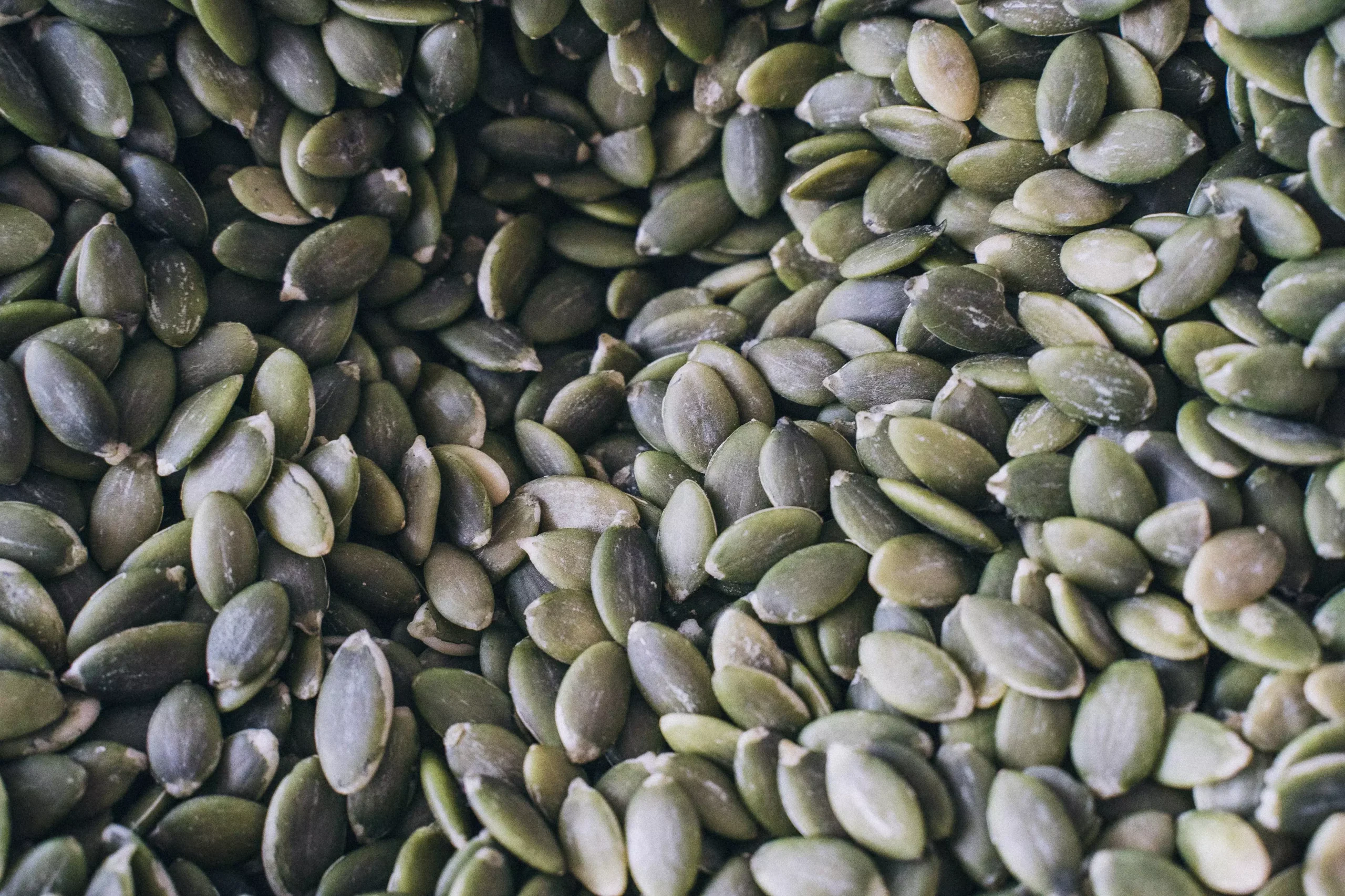
Pumpkin seeds have 150 mg (nearly 50% of the RDA) of magnesium in just 1/4 cup.
At this very moment, you are more than likely magnesium deficient. Here’s why that’s a problem — and what you can do about it.
Why Magnesium Matters
Magnesium is used in the body for over 300 enzymatic reactions. It plays a role in:
Building bone
Relaxing muscles and nerves
ATP & energy production
60% of Americans are magnesium deficient.
Most are moderately deficient, which may cause:
Muscle cramping
Stress
Fatigue
Night restlessness
Severe deficiency can lead to:
Muscle spasms or tremors
Cardiac arrhythmias
Seizures
Personality changes
Kids Are Often Deficient Too
They experience the same issues but also:
Mood swings
Hyperactivity
Anxiety & restlessness
Difficulty concentrating
Trouble sleeping
With 60% likely being deficient, low dietary magnesium may be at the root of many of these issues.
Why Magnesium Deficiency Is So Common
1. The American Diet
We eat fewer magnesium-rich foods like:
Nuts
Seeds
Legumes
Whole grains
Leafy greens
Processed foods strip away magnesium — white flour and white rice lose the nutrient when bran and germ are removed.
Cooking method matters:
Boiling vegetables leaches magnesium into the water.
Steaming preserves it.
(Boiling spinach reduces magnesium by 30%; steaming keeps almost all of it.)
2. Excess Sugar, Caffeine & Alcohol
All three increase magnesium excretion.
3. Medications That Deplete Magnesium
Including:
Nexium
Prilosec
Prevacid
Diuretics
Some antibiotics
4. Soil Depletion
Magnesium is not replenished like nitrogen or phosphorus. Today’s soil contains far less magnesium.
5. Pesticides & Herbicides
They reduce the plant’s ability to absorb magnesium from soil.
Result:
Spinach once had 158 mg of magnesium per 100 g (in 1948). Today it may have only 75–100 mg, depending on farming practices.
How to Increase Magnesium Intake
Daily Recommended Amount
Men: ~400 mg
Women: ~310 mg
Magnesium-Rich Foods
Nuts & Seeds
Pumpkin seeds: 1 oz (¼ cup) roasted = 150 mg
Almonds: 1 oz = 80 mg
Dark Leafy Greens
Spinach (½ cup cooked): 78 mg
Swiss chard (½ cup cooked): 76 mg
Romaine lettuce has ~40% of the magnesium compared to spinach or chard.
Whole Grains
Quinoa (1 cup cooked): 118 mg
Oats: about half the magnesium of quinoa
(By the way, it’s pronounced “keen-waa.”)
Legumes
Black beans (1 cup cooked): 120 mg
Other Foods
Avocado (1 medium): 58 mg
Plain Greek yogurt (1 cup): 42 mg
Halibut (3 oz): 91 mg
Salmon (3 oz): 26 mg
Dark chocolate (85%+ cocoa, 1 oz): 68 mg
(A typical Walmart bar = 3.5 oz)
Magnesium Supplementation
If you can’t consistently eat a magnesium-rich diet, consider supplementing.
Important:
Avoid magnesium oxide — only 4% is absorbed
vs 24–35% for better forms or whole food–derived magnesium (like EZ Mag).
Forms of Magnesium & Best Uses
Magnesium Lactate
High absorption, gentle on stomach — great all-around optionMagnesium Citrate
Moderate absorption — best for constipation (may cause diarrhea)Magnesium Glycinate
High absorption, gentle — excellent for sleep & cramps (more expensive)Magnesium Malate
High absorption — great for fatigue & muscle pain
Products Recommended at Ellis Chiropractic
EZ Mag (Standard Process)
Whole-food sourced (Swiss chard, buckwheat greens)
High usability due to synergistic nutrients
6 tablets = 70 mg magnesium
Ideal if you already eat a magnesium-rich diet
This is the magnesium I take.
Magnesium Lactate
3 tablets = 200 mg magnesium
Magnesium Complex (Professional Formulas)
2 tablets = 350 mg magnesium:
100 mg citrate
100 mg glycinate
100 mg malate
50 mg krebs cycle
Calcium Lactate (Standard Process)
Good if you need calcium + magnesium.
3 tablets contain:
260 mg calcium
50 mg magnesium citrate